


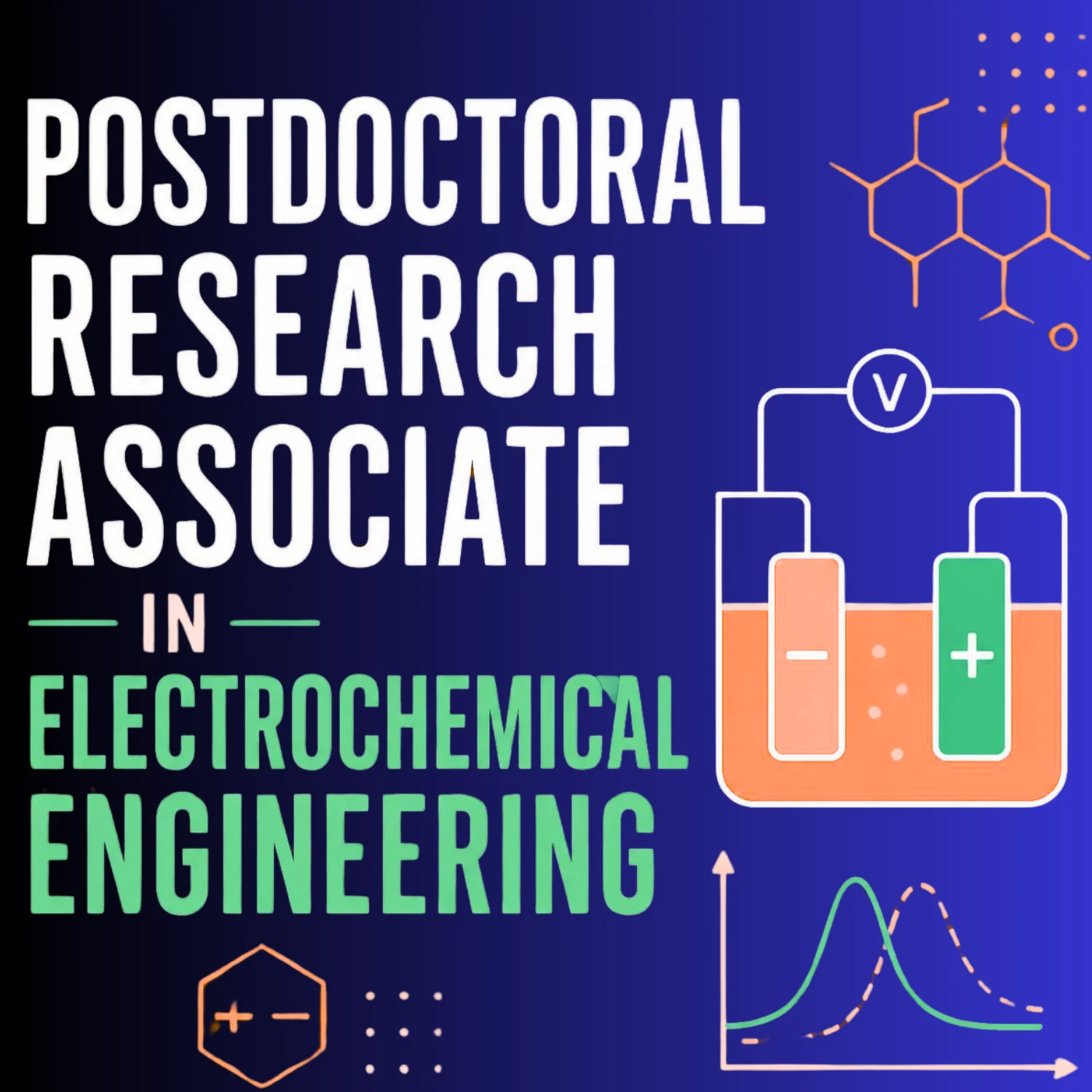
The University of Angers is seeking a postdoc in organic optoelectronics to join its MOLTECH-Anjou laboratory to develop organic optoelectronic diodes, OLEDs, OPDs, and OPVs. The contract will be for a maximum period of two years and is supervised by Dr. Marcin Kielar. Instead of developing new materials, the postdoc will concentrate on studying the device physics, stability, and optimization. Located in Angers, western France (about 300 km away from Paris), the salary for this position will be €2,958 per month (gross salary).
Postdoc in Organic Optoelectronics Project
The selected candidate will become a member of the KEMTRONIX group that researches and develops next-generation organic optoelectronic devices based on proprietary π-conjugated semiconductor materials. Such materials include thiophene and oligothiophene families, push-pull conjugated organic molecules comprising a triphenylamine core; various rylene dyes, including perylene diimides and BTI; and boron compounds used as emitters, all of them specifically targeted for use in OLED, OPD and OPV technologies. Your main task will be to assess the properties of such materials within the devices and to develop them further by optimizing their design, fabrication and integration, emphasizing such features as miniaturization, encapsulation, flexible substrate and “green” fabrication techniques (simple stack design, solution-processable electrodes and environmentally friendly solvents).
In addition to the generic research in organic devices, there is an exciting research portfolio focused on organic optoelectronics for neuroscience, in particular, organic LEDs and photodetectors intended for optical stimulation and optical sensing of neural tissue. The project is supported by ongoing collaboration with research groups at the University of Queensland and Australian National University working on optogenetic and bioelectronic technologies.
What you’ll be doing as Postdoc in organic optoelectronics
Specifically, the Postdoc in organic optoelectronics will be responsible for:
- The design, construction, and characterization of organic diodes (OLEDs, OPDs, OPVs), optimizing both their performance and stability.
- The miniaturization, flexibility, encapsulation, and environmentally sustainable fabrication of these devices.
- The execution of opto-electrical measurements on fabricated devices and the analysis of collected data.
- Supporting the team in the development of opto-electronic devices for neuroscience and optogenetics experiments with international collaborators.
- The publication of findings in peer-reviewed scientific journals and competitive grant proposals based on research conducted in the group.
Besides, you will assist in supervising junior scientists and students, maintaining an excellent laboratory safety environment, and participating actively within the team and at the lab level.
The environment: MOLTECH‑Anjou and Angers
The MOLTECH-Anjou lab is a common research institute operated jointly by CNRS and University of Angers, employing some 50 regular members of staff and 30 doctoral/post-doctoral students. The research performed there covers organics and hybrid organic-inorganic materials used in fields of organic electronics, energy storage, and physics. In this respect, the research carried out by the KEMTRONIX team concerns itself with organic optoelectronics, thus providing for an atmosphere where chemistry, materials science, physics, and neuroscience come into play within one single project.
The University of Angers has a history stretching back to the 11th century and is one of the best universities in France when considering student success rates. The main campus of the university is located in the historic city of Angers, whose heart is made up of a massive château and cathedral complex, situated in Western France, about 300 km from Paris. An international post-doctorate position provides an excellent combination of research and life prospects.
Who should apply for postdoc in organic optoelectronics?
An experimentalist is needed who has a very recent PhD (obtained in the past three years or about to obtain one) in the areas of materials science & engineering, electronics, physics, organic chemistry, and optical sciences, having demonstrable experience with organic electronics. Preference will be given to those applicants who have experience in fabrication and characterization of organic optoelectronic diodes (organic photovoltaics, OPVs; organic photodiodes, OPDs; and/or organic light-emitting diodes, OLEDs). The candidate should demonstrate proficiency with organic semiconductor materials and devices, an increasing peer-reviewed publication record, and good documentation skills in experiments.
From the soft skills perspective, it is expected that the candidate must be highly motivated and enthusiastic about their work, possess excellent communication and interpersonal skills, and must be proficient in both written and oral English. Some other attributes that would make a desirable candidate are good understanding of photophysical processes in organic devices, such as charge transport, ultrafast processes, recombination and exciton formation; familiarity with laboratory instrumentation and electronics (oscilloscopes, multimeters, source-measure units, signal generators, and soldering); good programming skills in LabView; and teamwork skills across multidisciplinary teams.
Contract, timeline and application process
This is a 100% fixed-term appointment that will last for 24 months and pay a gross salary of €2,958 per month. Applications close on 10 May 2026 at 11:59 PM CET, and interviews are expected to be scheduled on 18 to 22 May 2026. The ideal starting date is mid-2026, but may be adjusted based on the applicant’s circumstances.
Interested applicants must submit:
- A CV/Resume
- A cover letter focusing on the “About You” criteria.
Applicants may apply via EURAXESS and the University of Angers Application Platform, both of which should be completed in English. This recruitment initiative is committed to inclusion and accessibility; therefore, applications from all individuals are welcome. Any scientific queries regarding the job can be sent to Dr. Marcin Kielar through email, and any administrative inquiries can be sent to the recruitment office at the University of Angers.

If you have been working in organic optoelectronic devices and are interested in learning more about device physics and stability in neuroscience-related optoelectronics, this postdoc in organic optoelectronics in Angers offers great potential.
Photonics PhD Opening at UTA: Secure Funded Admission in 2026
Frequently Asked Questions
Who is this Postdoc in organic optoelectronics for?
The ideal candidate for this job would be a researcher who recently got their doctorate degree (or is about to receive it soon) in the fields of materials science and engineering, electronics, physics, organic chemistry, or optics, with practical experience in organic electronics and optoelectronics diode devices (OLEDs, OPDs, and OPVs). This job is highly suitable for those with strong interests in experimentation.
Is there any materials synthesis involved?
Not really. This research is mainly about device physics, stability, and optimization using pi-conjugated semiconductors that have been made by us before. So your role would be mainly about designing and fabricating the devices, as well as testing their optoelectrical properties.
What kind of devices will I work on?
The research will involve OLEDs, OPDs, and organic solar cells (OPVs). It consists of incorporating our own materials (thiophenes/oligo-thiophenes based compounds, triphenylamine push-pull dyes, rylene type derivatives including PDI and BTI, as well as boron containing luminogens) into devices and optimizing their performance and stability.
How does this project relate to neuroscience?
One aspect of the job description is related to the support of ongoing projects involving the use of organic optoelectronics in the stimulation and recording of neural activities, such as OLEDs for stimulating nerve signals (optogenetics), and OPDs to record nerve activities. The projects involve working with the neuroscience departments of the University of Queensland and the Australian National University.
What are the necessary skills and experience?
Your qualifications should include:
-
A PhD degree in an appropriate field (within the last three years or soon to be completed).
-
Experience in the fabrication and characterization of organic diodes (OPV, OPD, OLED).
-
Sound knowledge of organic semiconductors and devices.
-
Growing publications in reputable journals.
-
Excellent laboratory work, documentation, and English proficiency.
What would be considered “desirable” and not necessarily required?
The following will add to your application but are not prerequisites:
-
In-depth knowledge on photophysics processes within organic optoelectronic devices (charge transport, recombination, exciton processes, etc.).
-
Hands-on knowledge of electronic design and testing equipment like oscilloscope, multimeter, SMU, signal generators, soldering.
-
Knowledge of programming, preferably LabVIEW.
-
Experience working in a multidisciplinary environment including people from chemistry, physics, engineering or neuroscience background.
How long is the contract period? What is the salary?
The job is a 100% full-time appointment for up to 24 months. The monthly salary is €2,958 according to the local salary scale for postdoctoral researchers.
When is the application deadline and expected start date?
Candidates are requested to apply by 10 May 2026 until 11:59 pm Central European Time. Interviews are planned to be held from 18 to 22 May 2026, and the tentative starting date is in mid-2026.
What documents do I need to submit?
You are expected to submit:
- CV or resume
- Cover letter addressing the “About You” criteria (desirable and essential qualities).
Both documents should be in English. Successful applicants will be invited to submit their Ph.D. certificate(s), transcripts, and references in due course.
How do I apply?
Apply for the job either through EURAXESS or by using the application link provided at the University of Angers site (main post). Simply follow the directions and submit your resume and cover letter.
Do I need to speak French?
English is the primary language used in the laboratory and in all international collaborations, and excellent command of English is essential. While French is not necessary to conduct research, it will be helpful in making your way around Angers and the surrounding academic community.
Will I get support with relocation and visas?
The right-to-work checks carried out by the French government shall form part of the procedure, and the university shall require you to provide documents like your transcripts and letters of recommendation. Visa procedures and support during relocation may differ depending on your specific circumstances and those of the university, so we encourage you to reach out to the recruitment office.
What is it like to live in Angers?
Angers is an old town located in Western France, which is 300 kilometers south of Paris. Angers boasts an impressive historic center, castle, and cathedral. The town offers a high standard of living due to its many students, efficient public transportation system, and excellent connections to other towns by train.
Can I contact someone with questions before applying?
Absolutely. If your questions concern the scientific aspects of this research project, you can write to the PI. In case of any administrative queries concerning the contract, schedule, etc., you can approach the recruitment office at the University of Angers.


Leave a Reply