

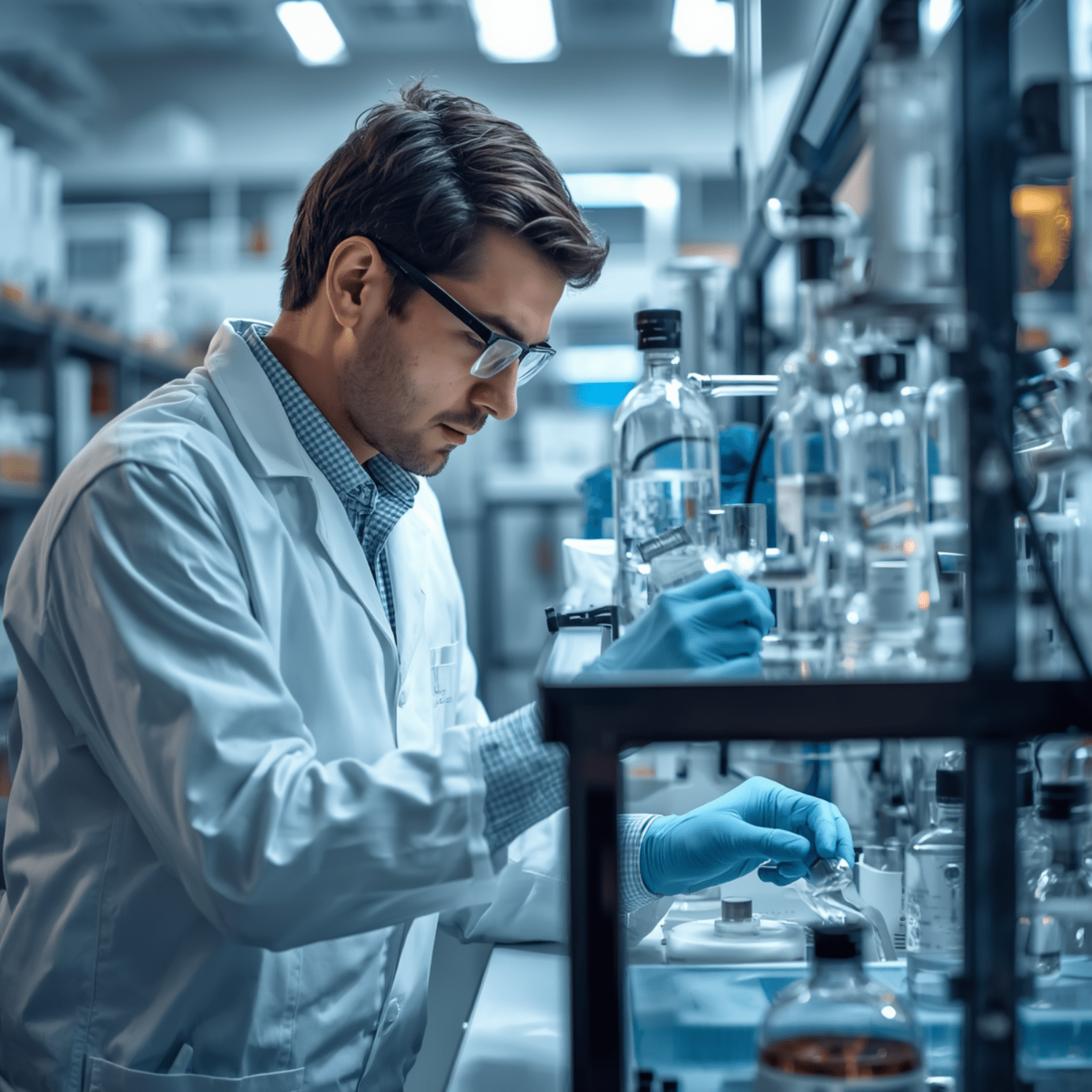
The move towards a climate-neutral world has gained speed, with state-of-the-art research in chemistry driven by sunlight playing a crucial role in this transition. A PhD in photoelectrocatalysis provides an excellent opportunity to contribute to research in this area of future technological solutions, including green energy.
Quick Overview
-
Project Title: Development and characterization of nanocatalysts for photoelectrochemical biomass valorization coupled with hydrogenation reactions
-
Supervisors: Paolo Fornasiero, Michele Melchionna
-
Research Area: Photoelectrocatalysis, Nanocatalysts, Green Energy
-
Application Deadline: 25 May 2026, 1:00 PM (CET)
-
Location: Europe (Italy)
- Contact: [email protected] | [email protected]
Why This PhD in Photoelectrocatalysis Matters
In fact, this research falls under the category of the European Green Deal, where the aim is to achieve climate neutrality by 2050. The most difficult aspect of achieving climate neutrality is switching from fossil-fuel-based chemical processes to sustainable processes.
The proposed PhD in photoelectrocatalysis project aims to address this issue by combining energy generation using solar energy and chemicals production, hence:
- Producing clean hydrogen
- Converting biomass into value-added chemicals
By doing so, we will combine the energy process and chemical processes into one efficient cycle.
PhD in Fischer-Tropsch Catalysis Under Intermittent Conditions
Understanding the Research Focus
At the core of this project is photoelectrocatalysis (PEC)—a process that uses sunlight to drive chemical reactions via engineered materials.
Here’s the innovation:
-
Biomass valorization: Converts renewable organic materials into useful chemicals instead of waste
-
Hydrogen evolution (HER): Produces clean hydrogen fuel
-
Electrocatalytic hydrogenation (ECH): Adds hydrogen to organic molecules to create valuable products
The project introduces a tandem PEC system, where:
-
One part captures solar energy and activates reactions
-
Another part selectively controls the output (hydrogen or chemicals)
This dual-function system significantly improves efficiency and flexibility.
What You Will Work On
As a PhD student, you will get to do:
- Design of photoactive nanostructured anodes with selective reaction capacity
- Development of intelligent electrocatalytic systems that are adaptable
- Modification of catalysts with reversible structures
- Combination of light- and electricity-driven processes
Thus, you are at the crossroads of materials science, catalysis, and energy engineering.
Skills and Experience You’ll Gain
This project provides an excellent scope of technical and research opportunities, such as:
- Nanomaterial fabrication processes
- Electrochemical testing methodologies (for example, cyclic voltammetry, electrochemical impedance spectroscopy, galvanostatic charge-discharge)
- Catalytic processes and reaction engineering
- Renewable energy conversion devices
- Interdisciplinary research experience
All these will be extremely useful in academia and green technology sectors.
Ideal Candidate Profile
The following characteristics would be ideal for individuals who take this position:
- A background in materials science, chemistry, or chemical engineering
- An interest in electrochemistry, catalysis, or sustainable energy
- Electrochemical expertise (optional)
- Interdisciplinary and applied research orientation
PhD in Additive Manufacturing at Auburn University – Fully Funded
How to Apply for PhD in Photoelectrocatalysis
Interested candidates should apply before the deadline:

-
Deadline: 25 May 2026, 1:00 PM (CET)
-
Contact Emails:
-
Paolo Fornasiero: [email protected]
-
Michele Melchionna: [email protected]
-
Early application is strongly recommended.
Why You Should Consider PhD in Photoelectrocatalysis
Looking at the bigger picture, this research topic is very relevant to the future of energy technology as a whole, especially considering how hydrogen generation and biomass transformation form an important route to achieving a lower-carbon footprint in the fuels and chemicals industries.
To those working in electrochemistry and energy storage technologies, this research topic also connects well with the current developments in areas like:
- Systems for hydrogen energy
- Renewable energy systems
- Green materials
As someone interested in electrochemistry or renewable materials, you will find that this PhD in photoelectrocatalysis is a great springboard into solar catalysis and green chemistry.
PhD in Photoelectrocatalysis FAQ
1. What is photoelectrocatalysis (PEC)?
Photoelectrocatalysis is a method whereby energy from light, usually from the sun, along with electrochemical processes, is used to effect a chemical change. The technique combines photo-catalysis and electro-catalysis concepts.
2. What is biomass valorization?
Valorization of biomass is when organic compounds such as agricultural waste and plant material are transformed into valuable compounds or fuels. Rather than disposing of the biomass, it becomes a renewable source of energy.
3. What is the difference between HER and ECH?
The HER process involves splitting water to form hydrogen gas that can be used as a source of energy.
In the ECH process, hydrogen is used to chemically react with organic compounds to form useful products like fuels or chemicals.
4. What makes this PhD project unique?
This research project presents a dual system that integrates both photoelectrochemical and electrolytic reactions. This system allows for switching between hydrogen production and chemical synthesis, thus being more efficient than existing systems.
5. Do I need prior experience in electrochemistry?
Whereas knowledge in the field of electrochemistry (CV, EIS, and GCD methods) may be useful, it is not always necessary. A good understanding of materials science, chemistry, or chemical engineering is enough.
6. What skills will I gain during this PhD?
You will become an expert in synthesizing nanomaterials, designing catalysts, analyzing electrochemistry, and designing renewable energy systems. Such abilities are very useful for both research purposes and clean energy businesses.
7. How does this research contribute to green energy?
The project promotes sustainability through energy by generating hydrogen fuel and biomass to chemicals via solar power. This results in a decrease in the use of fossil fuels and carbon emissions.
8. Is this PhD aligned with future energy technologies?
Yes, indeed. Another topic that needs consideration is that related to hydrogen production, green energy sources, and sustainable chemistry.
9. Where is the PhD located?
This project will take place in Europe, more precisely, Italy. Leading scientists in catalysis and materials science will be the supervisors.
10. When is the application deadline?
Application Deadline: Monday, 25 May 2026, 1:00 PM (CET). It is advised to apply well ahead of time to avoid any problems.
Final Thoughts
Such opportunities don’t come often, as they include elements of basic science, practical applications, and high relevance to global sustainability goals. If you are planning your future career in renewable energy or nanomaterials, then this PhD in Photoelectrocatalysis research topic might be of great interest to you.






Leave a Reply